Understanding Muscle Confusion
By: STRONG Fitness

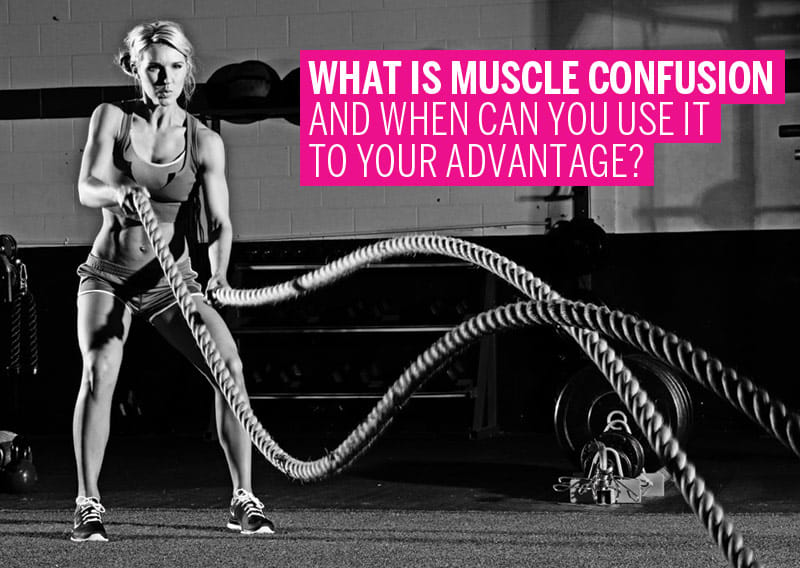
As a strength coach, I hear the term “muscle confusion” thrown around a lot by trainers and clients alike. But what does it really mean and should you be applying it to your training?
The muscle confusion theory is fairly simple: by changing your workouts regularly, you keep your muscles “guessing” and avoid plateaus. A lot of group classes, bootcamps, and workout videos claim to use this concept to get you results, but it’s really just one of the principles that govern how your body adapts to exercise. When it comes to changing your physique there is much more to consider.
It’s true that overtime, your body will get used to the same exercises, at which point you will have to change something in your routine in order to continue seeing results. However, including a variety of exercises just for the sake of “muscle confusion” doesn’t answer the most important question you must ask of your training: What is this exercise or program for, and what am I trying to get from it?
While you do need some variety, the other side of avoiding plateaus and getting results is consistent progression towards a specific goal, like getting bigger (hypertrophy), stronger (more weight), faster (speed) or lasting longer (endurance). In other words, the only way to improve (and gauge improvement) is to spend enough time telling your muscles what you want from them and having a well-defined purpose to your exercise. Defining intent and planning your exercises to meet that intent, means that you get quality progression and adaptation. It also means, you’ll know when it’s time to change it up.
You can only determine a need for change, if you can evaluate if something worked or not. How do I measure progress? How do I define progress specifically? How do I measure my own consistency? What are my indicators of success or failure? Changes in training should serve a purpose. Ask these kinds of questions of your training and programming.
The point is this: Want to get strong? Train to get strong. Want to be faster? Train to be fast. Planning your workouts with this frame of mind will keep you more engaged with how you train for specific goals. Progressive programs usually run anywhere from 6 weeks to several months. Pick one, and stick with it long enough to get results you can measure before changing it up. Then you can get the best of both worlds.


RELATED ARTICLES
Cover Athlete: Stacey Nixon

Cover Athlete: Gail Reodica
Cover Athlete: Jacqueline Romano

Cover Athlete: Julia Chang
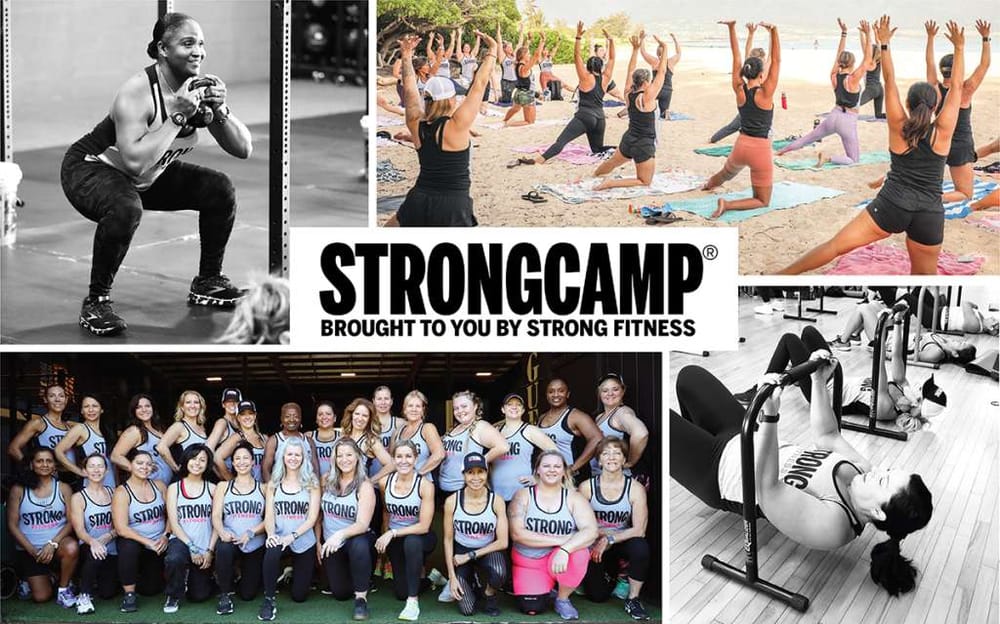
STRONGCAMP IS COMING TO YOUR CITY
STRONGCAMP is a weekend for women of all fitness levels to come together and celebrate their strengths. Where STRONG Fitness Magazine Comes to Life!

get stronger with strong APP
Personalized Fitness at Your Fingertips. Tailored workouts and meal plans, optimized for your lifestyle. Track and progress with every session, powered by the latest in fitness innovation.
AVAILABLE WITH DIGITAL, COMBO, AND PREMIUM SUBSCRIPTIONS
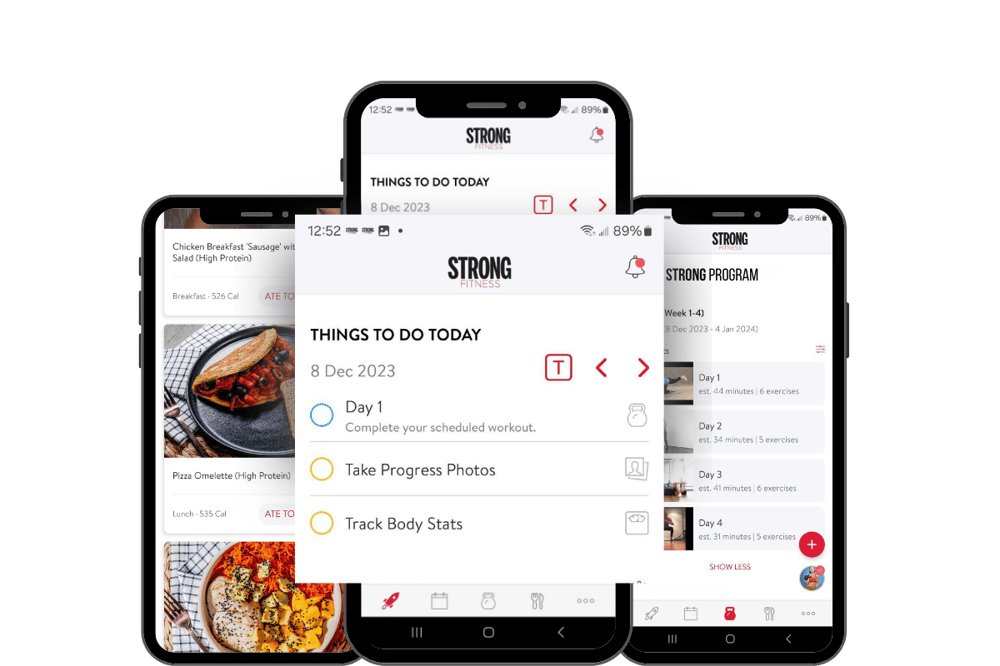
get stronger with strong APP
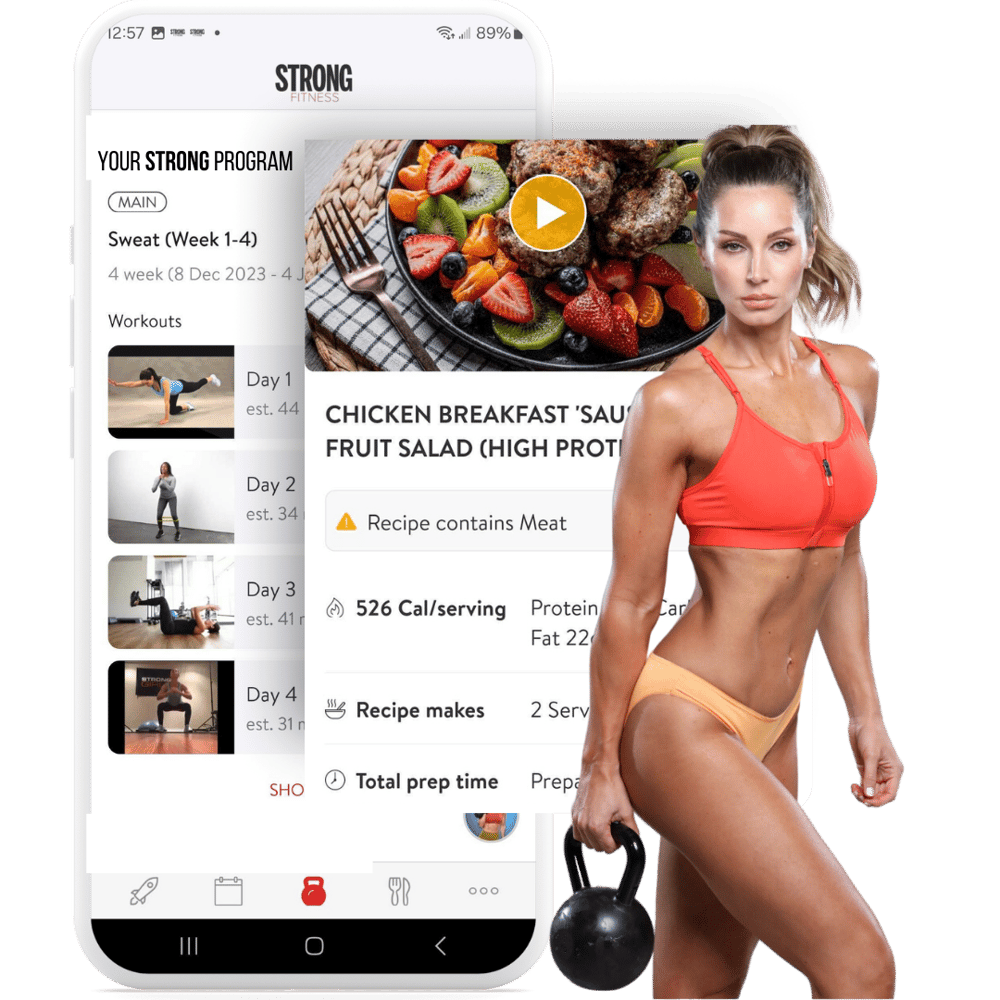
Personalized Fitness at Your Fingertips. Tailored workouts and meal plans, optimized for your lifestyle. Track and progress with every session, powered by the latest in fitness innovation.
AVAILABLE WITH DIGITAL, COMBO, AND PREMIUM SUBSCRIPTIONS

This site is not a part of the Facebook website or Facebook INC. Additionally, this site is NOT endorsed by Facebook in ANY WAY. FACEBOOK is a trademark of Facebook INC.
Privacy Policy | Terms of Use | Contact | 2532 Wharton Glen Ave. Mississauga, ON L4X 2A9, Canada
© Copyright 2024 - Strong Fitness Mag | All Rights Reserved | Site by sheinc.ca
With the participation of the Government of Canada.