Truths and Myths about Static Stretching
By: STRONG Fitness


Static can mean a lot of different things: cling, flyaways, an undesirable radio station, or little movement. When it comes to static stretching, it seems the jury is still out on whether this is a beneficial component to a fitness routine.
With enough conflicting information out there to make you throw in the towel, we’ve exposed the truths and busted the myths about the common misconceptions surrounding static stretching.
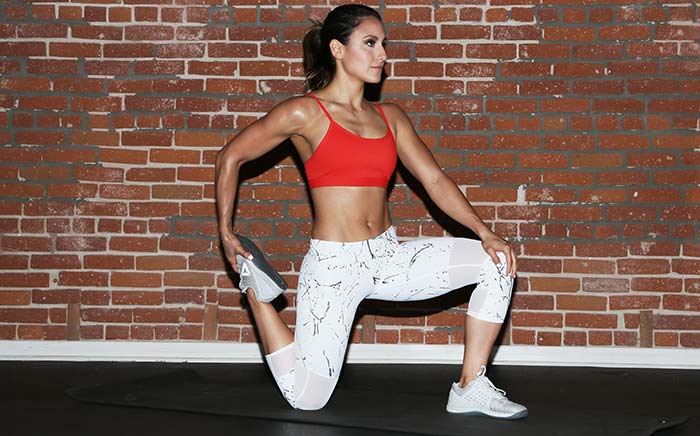
Static stretching offers no benefits to training.
MYTH. Static stretching offers a plethora of great benefits when performed properly. Aside from increasing flexibility and improving range of motion when it comes to fitness, It can also help improve your day-to-day function. “It’s really great to help change posture and to start to find restrictions within your own body,” says Dr. Jen Esquer, physical therapist and STRONG advisory board member. “It’s also a really good way to find imbalances within the body.” In turn, incorporating static stretching into a routine could lead to fewer training-related injuries.
Static stretches done prior to weight training can be detrimental to performance.
FACT. While not all static stretches are harmful, holding a static stretch for a long duration before training could potentially cause injury during weight lifting if it’s not followed up by some active, dynamic movements, warns Esquer.
Performing static stretching before weight training could also result in feeling weaker and less stable during training, according to a study published in the Journal of Strength and Conditioning Research. The study found that static stretching, even if followed up by a dynamic warm-up, resulted in poorer performance in lower-body heavy weight training than those who did a dynamic warm-up.
If you still want to incorporate some static stretches into your warm-up, Esquer suggests adding a little extra movement into the stretch. Try holding a static pose for just 2-3 seconds, then moving on to a different stretch.
Static stretching can be beneficial when performed after weight training.
FACT. Getting some extra movement in after a weight training session can do the body good. By decreasing muscular restrictions and increasing range, stretching afterwards could even get you squatting to new levels. Stretches, such as the 90/90 hip stretch (also known as the shin box stretch), can help with tight hips that cause range restrictions during training. “When you can contract on both ends, you’re really getting deeper into those hips so you can squat better, lunge better, run–anything where you’re getting into that range of motion with the hip joints,” says Esquer. “Getting that body to go into a deeper range than you just were when you were weight training is really beneficial right after you weight train.”
Static stretching exercises should be performed for 15-20 seconds.
MYTH. With the main purpose of static stretching being to improve function, holding stretches for a longer period of time will allow your body to reap the most rewards. “When you’re really trying to improve a particular range of motion, you want to be sitting in it for at least two minutes,” says Esquer. This allows the cells to change at a deeper level and your joint flexibility to improve.
When it comes to fitting stretching into your routine, it’s best to dedicate longer periods of time to it, advises Esquer. What’s even better is if it’s a dedicated stretching session on its own. Doing 30 minutes of static stretching, when really engaging in each stretch, can turn out to be a pretty tough workout for your muscles. With that said, stretching can still be effective if tacking a few minutes onto the end of a workout is easier.
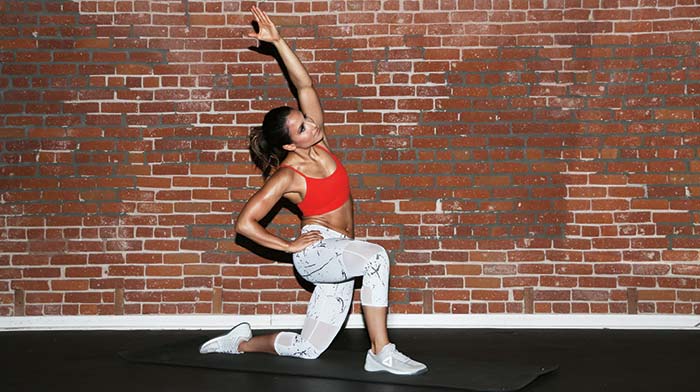
The longer you warm up prior to weight training, the better.
MYTH. Warming up prior to a weight session is a definite must, but that doesn’t mean you need a five-mile run to get your muscles ripe. For most weight training sessions, 5-10 minutes is plenty to get your muscles warmed up and prepped for lifting, suggests Esquer. For more extensive workouts, a longer warm-up might be needed. The best kind of warm-up includes dynamic, movement-based exercises to get the body moving while also gently stretching out the muscles.
Static stretching prior to cardio poses little benefit.
FACT. Just like training, there are more effective warm-ups to do before a cardio session than static stretching. Stick to moves that are more active and dynamic, such as leg swings and arm rotations.
Static Stretching can aid in preventing muscle soreness (DOMS).
MYTH. While a good stretch session after a taxing workout might give your muscles and joints some immediate relief, research shows that static stretching, whether done before or after training, has little effect on preventing delayed onset muscle soreness (DOMS).
Static stretching poses some great training benefits; however, timing and execution means all the difference.

RELATED ARTICLES

From Drugs and Extreme Dieting to Bonafide Body Transformation Coach: Tijana Daly’s Story
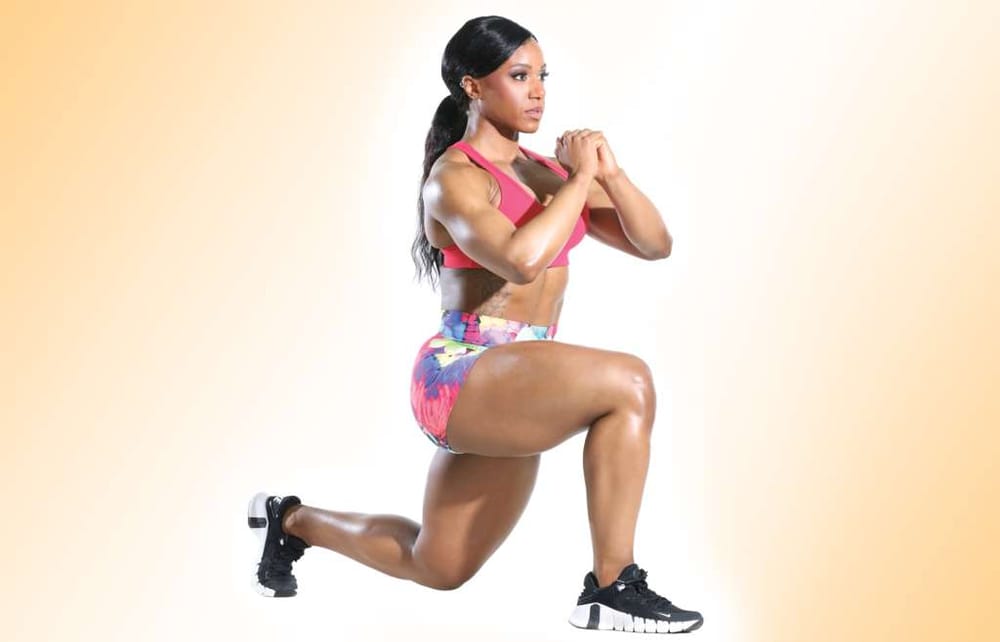





STRONGCAMP IS COMING TO YOUR CITY
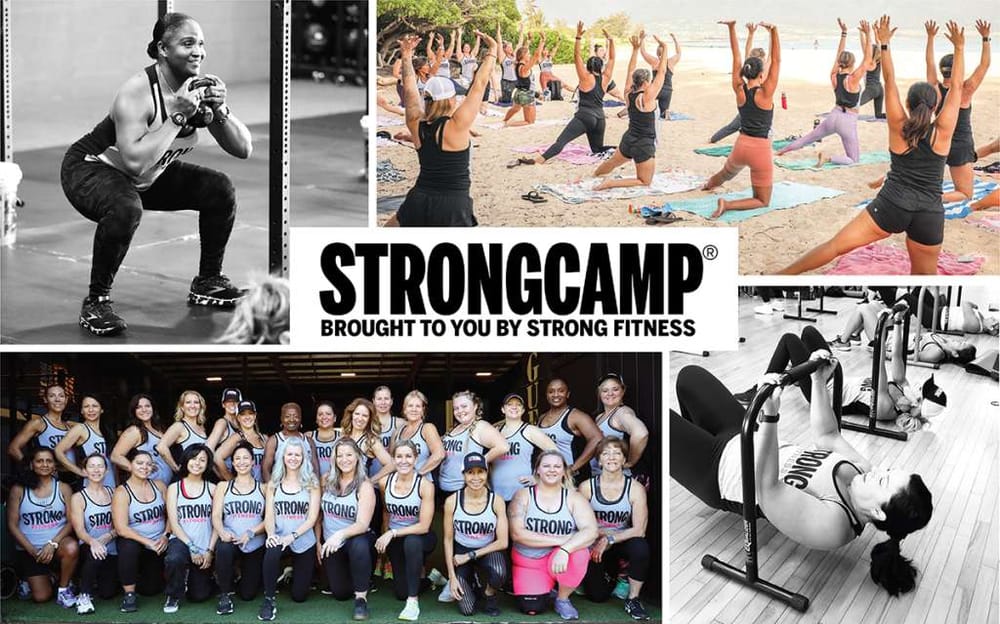
STRONGCAMP is a weekend for women of all fitness levels to come together and celebrate their strengths. Where STRONG Fitness Magazine Comes to Life!

get stronger with strong APP
Personalized Fitness at Your Fingertips. Tailored workouts and meal plans, optimized for your lifestyle. Track and progress with every session, powered by the latest in fitness innovation.
AVAILABLE WITH DIGITAL, COMBO, AND PREMIUM SUBSCRIPTIONS
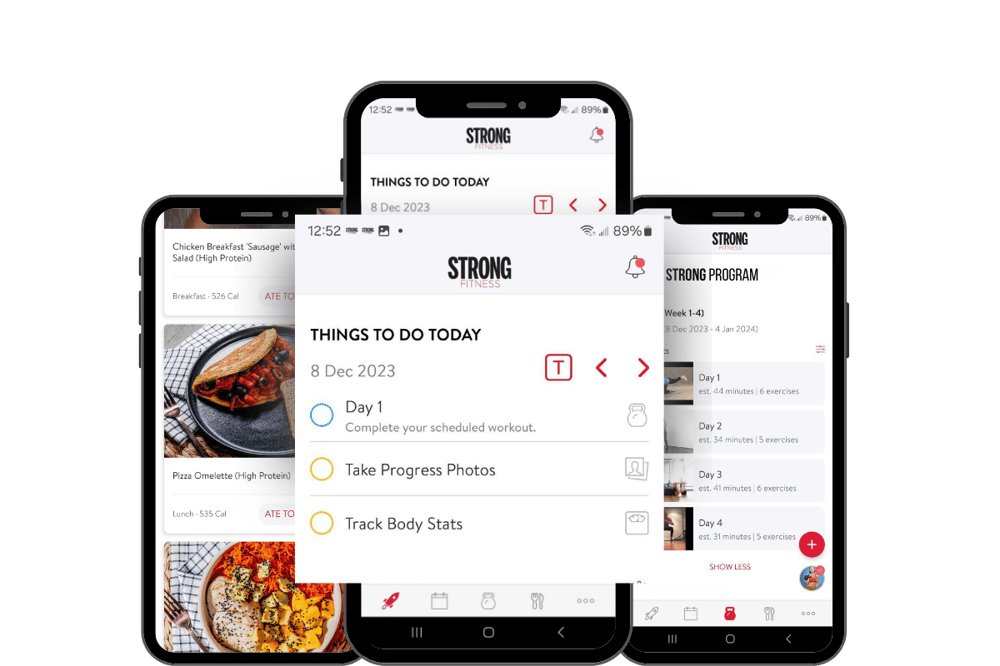
get stronger with strong APP

Personalized Fitness at Your Fingertips. Tailored workouts and meal plans, optimized for your lifestyle. Track and progress with every session, powered by the latest in fitness innovation.
AVAILABLE WITH DIGITAL, COMBO, AND PREMIUM SUBSCRIPTIONS

This site is not a part of the Facebook website or Facebook INC. Additionally, this site is NOT endorsed by Facebook in ANY WAY. FACEBOOK is a trademark of Facebook INC.
Privacy Policy | Terms of Use | Contact | 2532 Wharton Glen Ave. Mississauga, ON L4X 2A9, Canada
© Copyright 2024 - Strong Fitness Mag | All Rights Reserved | Site by sheinc.ca
With the participation of the Government of Canada.