
Mood Boosting Foods to Fight Seasonal Blues
By: STRONG Fitness


If you live in a colder climate, by now the winter weather has likely put a damper on your moods, workouts, and eating habits (who wants to wake up and go to the gym on a cold, icy morning?). But your grumpy disposition could be more than a little February funk: you may be suffering from Seasonal Affective Disorder (SAD), a condition that’s caused by shortened days and a lack of sunlight.
According to a 2018 prospective cohort study published in the European Archives of Psychiatry and Clinical Neuroscience, women are five times more likely to be diagnosed with SAD than men. When days get shorter, melatonin production increases, leaving people with SAD to feel sleepier and more lethargic, often with disrupted circadian rhythms. Meanwhile, the lack of sunlight leads to decreased production of the feel-good brain neurotransmitter serotonin.
Besides hopping on a plane to a sunny destination, one way to reduce symptoms of SAD is to incorporate foods that contain the vitamins and minerals essential to produce neurotransmitters and brighten your moods.
Vitamin D with Calcium
Vitamin D tends to decrease in the winter months due to lack of sunlight. This is where diet and supplementation is crucial to ensure deficiencies do not arise. Fatty fish, eggs, Greek yogurt, fortified orange juice, and mushrooms have high sources of vitamin D. It’s worth noting that vitamin D works optimally when supplemented with calcium (always consult your doctor or dietitian for proper supplement dosages).
Fiber-Rich Carbohydrates
Although processed carbohydrates and sugary baked goods sound comforting, eating in excess will leave you feeling sluggish and can be a slippery slope to pack on winter weight. Focusing on fiber-rich carbohydrates such as fruits, vegetables, legumes, and whole grains like brown rice and quinoa will provide sustainable energy and consistent blood sugar levels to help avoid mood swings.
B Vitamins
Studies have linked low levels of vitamins B1 (thiamine), B6 (pyridoxine), and B12 (cobalamin) to higher rates of depression. Including leafy greens, whole grain rice, breads and cereals, and a variety of lean proteins like chicken, fish, and low-fat dairy each day will increase B vitamins and provide a variety of nutrients to the body.
Omega-3 Fat
Omega-3 fatty acids help increase the good HDL cholesterol, maintain brain function, and manage blood pressure. Salmon and other fatty fish are great sources of omega-3 fats. Plant sources consist of avocado, nuts including pistachios, almonds, and walnuts, and olive oil. Having a serving of omega-3 rich foods at least twice a week should provide adequate omega-3.
In addition to healthy foods…
Make the effort to stay active. Exercise is crucial to produce feel-good endorphins, not to mention boost confidence, reduce stress, and improve sleep quality. Try a new fitness class or work out with a partner for extra accountability, or do a bodyweight circuit at home if that’s more convenient. Take advantage of the sunny days and get outside when possible for added vitamin D exposure.

RELATED ARTICLES



Cover Athlete: Stacey Nixon

Cover Athlete: Gail Reodica

Cover Athlete: Jacqueline Romano
Cover Athlete: Julia Chang
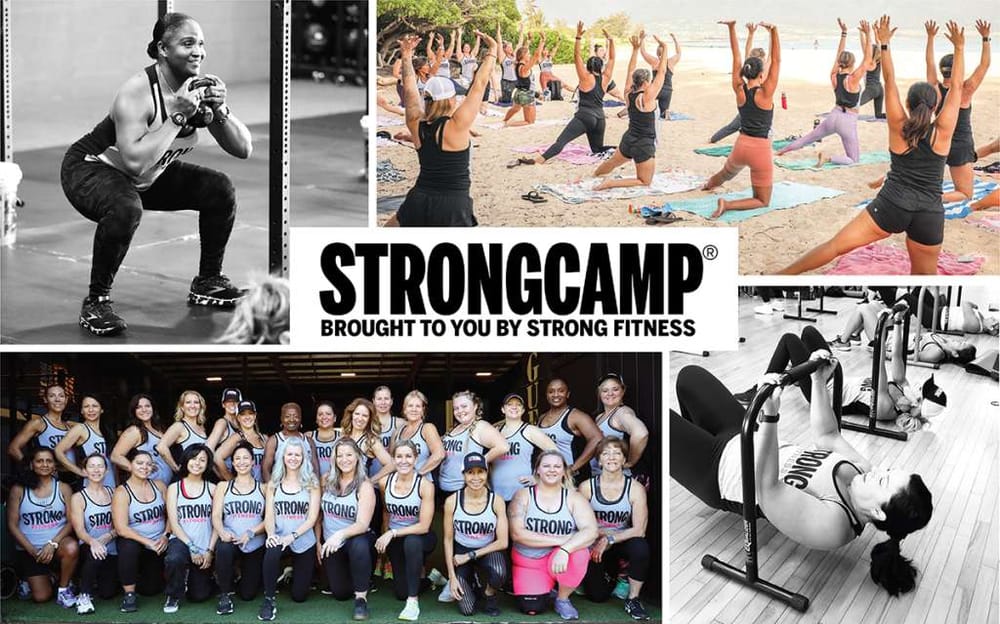
STRONGCAMP IS COMING TO YOUR CITY
STRONGCAMP is a weekend for women of all fitness levels to come together and celebrate their strengths. Where STRONG Fitness Magazine Comes to Life!

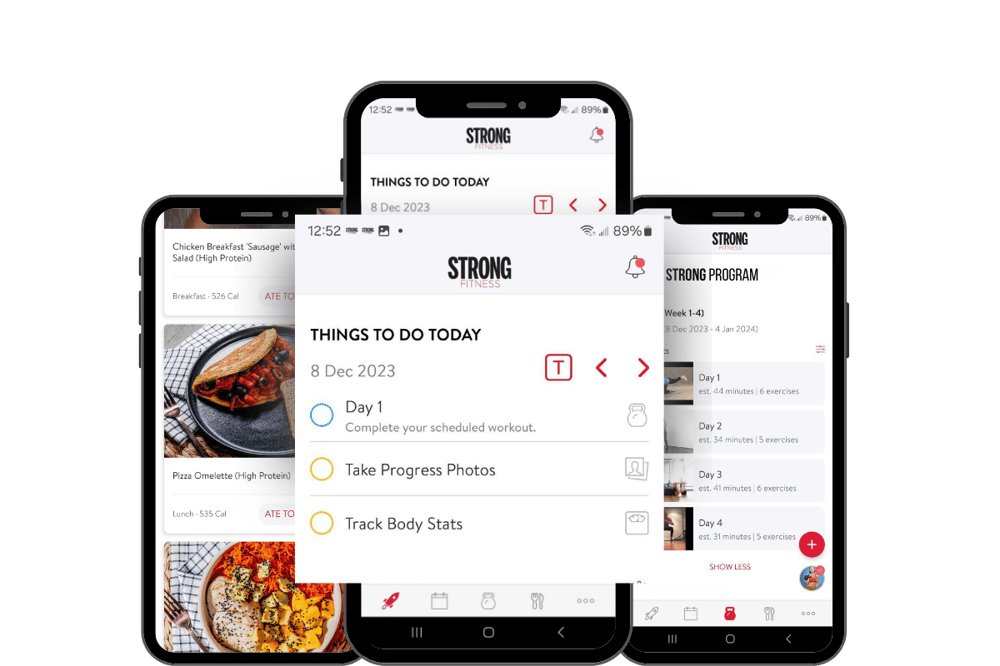
get stronger with strong APP
Personalized Fitness at Your Fingertips. Tailored workouts and meal plans, optimized for your lifestyle. Track and progress with every session, powered by the latest in fitness innovation.
AVAILABLE WITH DIGITAL, COMBO, AND PREMIUM SUBSCRIPTIONS
get stronger with strong APP
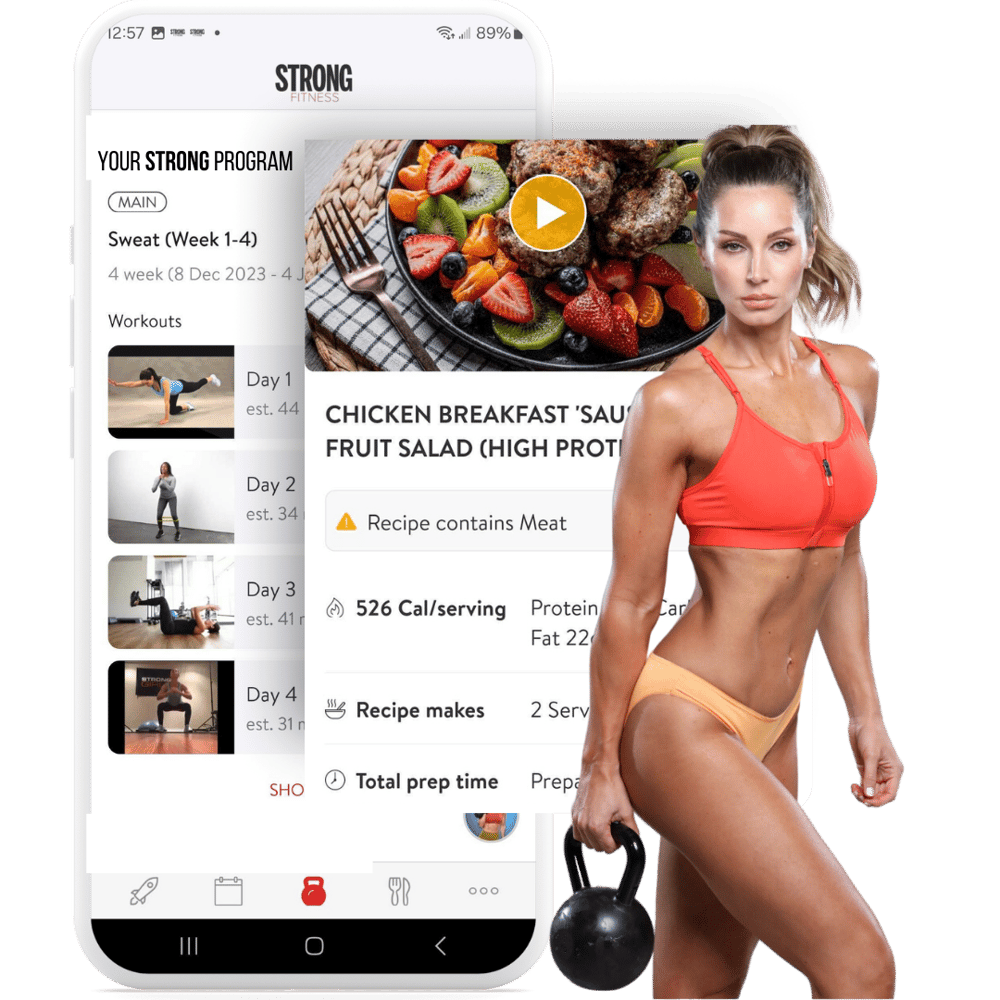
Personalized Fitness at Your Fingertips. Tailored workouts and meal plans, optimized for your lifestyle. Track and progress with every session, powered by the latest in fitness innovation.
AVAILABLE WITH DIGITAL, COMBO, AND PREMIUM SUBSCRIPTIONS

This site is not a part of the Facebook website or Facebook INC. Additionally, this site is NOT endorsed by Facebook in ANY WAY. FACEBOOK is a trademark of Facebook INC.
Privacy Policy | Terms of Use | Contact | 2532 Wharton Glen Ave. Mississauga, ON L4X 2A9, Canada
© Copyright 2024 - Strong Fitness Mag | All Rights Reserved | Site by sheinc.ca
With the participation of the Government of Canada.