How to Deal with Everyday Anxiety
By: STRONG Fitness

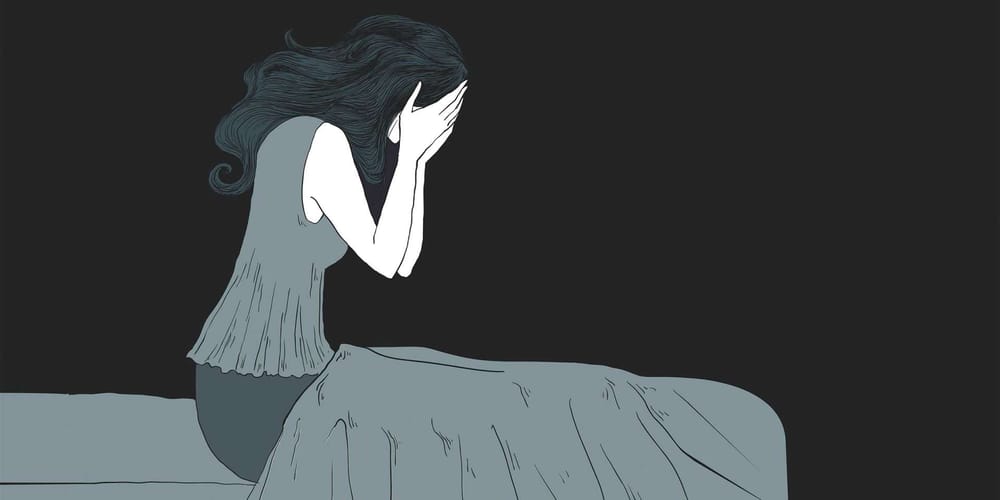
According to the Anxiety and Depression Association of America (ADAA), 40 million American adults suffer from anxiety disorders, making it the most common mental illness in the country. And women are 1.6 times more likely to suffer from an anxiety disorder than men (lucky us).
It’s a somewhat broad term for a disorder with many faces, with subsets ranging from social anxiety, to obsessive compulsive disorder, to generalized anxiety disorder. If you’ve ever experienced it, then you already know anxiety is a potentially crippling illness with wide-ranging repercussions that can have ramifications on your career, social life, and physical well-being. But here’s perhaps what you don’t know: you may already be equipped with the tools to overcome it. From sudden sweats to social paranoia, we examine the broad signs and symptoms of this mental disorder and what you can do today to prevent it.
What It Is
Though our fast-paced and constantly plugged-in lives may make you think anxiety is a modern day affliction, Dr. Karen Cassiday, PhD, ACT, Managing Director of The Anxiety Treatment Center of Greater Chicago and member of the ADAA, points to evidence of anxiety disorders in ancient texts, suggesting it has been an issue for at least as long as humanity has been recording history. “The problem for modern man is that we rarely encounter real dangers that require a fight, flight, or freeze response,” she explains. “Our bodies have been slow to adapt to civilization.”
Anyone who has experienced anxiety knows it’s not strictly above the neck—its presence can also prompt a host of head-to-toe physical side effects. As Michigan-based licensed psychologist Dr. Jeff DeGroat, PhD, explains, cortisol and adrenaline are released in response to different stimuli to elicit a flight-or-fight response. In our modern world of comforts, our survival instincts are usually unnecessary on a day-to-day basis and our body doesn’t exactly know what to do with this flood of hormones—and the results can be unpleasant.
Signs and Symptoms
DeGroat lists the short-term and mild health complications to include dizziness, sleep difficulties, muscle tension, headaches, stomach aches, and shortness of breath; in the long-run, memory loss, digestive disorders, fluctuations, an impaired immune system, and cardiac problems can occur. And not everyone feels the same effects of anxiety—some are more susceptible to the effects of the body (nausea, muscle aches, shortness of breath, or sweating) while others’ anxiety is manifested in the form of racing thoughts and uncontrollable worrying.
What You Can Do
There are proactive steps that one can take to keep bouts of anxiety at bay. Here are a few you can start right now to reduce anxiety and improve stress levels:
1. JOURNALING
Journaling has been found to be especially helpful in preventing and relieving symptoms of anxiety. A 2005 Cambridge University study found that regular reflective writing on topics or events that cause stress is more beneficial, physically and physiologically speaking, than writing about neutral topics.
2. EXERCISE
It's probably no surprise that getting your sweat on is a great natural mood regulator, releasing endorphins and improving confidence through better body image and a sense of accomplishment. But wait a sec: exercise increases your heart rate; so does anxiety. Does that mean that if you are anxiety-prone, your Wednesday morning spin class will negatively affect you? Likely not. In fact, the evidence of physical activity’s feel-good effects is long and well-researched, with some studies suggesting aerobic exercise may be as equally effective in reducing depression as antidepressant medications. Exercise also helps you snooze, and regular sleep has been found to lessen the risk of anxiety and depression, according to the National Sleep Foundation.
3. THERAPY
Certain psychological therapies have also shown promise in treating forms of anxiety. A 2017 study published in NeuroImage: Clinical concluded that cognitive behavioral therapy, defined by the National Association of Cognitive Behavioral Therapists as “a form of psychotherapy that emphasizes the important role of thinking in how we feel and what we do,” helps to strengthen connections in the brain associated with cognitive emotional control, making it an especially effective treatment for those with major depressive disorder and post-traumatic stress disorder, and has high documented levels of success for many types of anxiety.
4. GUT HEALTH
Your gastrointestinal tract has a surprising nickname in the scientific community: the second brain, due to the influence of your gut microbiome over much of your moods and mental state. In proper terms, it’s called the enteric nervous system, and it relies on a balance of non-human organisms called microbiota (i.e. gut bacteria) to help run your body properly.
So how can you keep your gut on the up-and-up? For starters, include plenty of fermented foods in your diet, such as organic yogurt, sauerkraut, kombucha, kefir, and anything pickled. Furthermore, overuse of antibiotics and antibacterial products (like hand sanitizer) can reduce the amount and diversity of your gut microbiome. If needed, supplementation of probiotics and prebiotics have shown promise in improving mood and staving off anxiety.

RELATED ARTICLES







STRONGCAMP IS COMING TO YOUR CITY
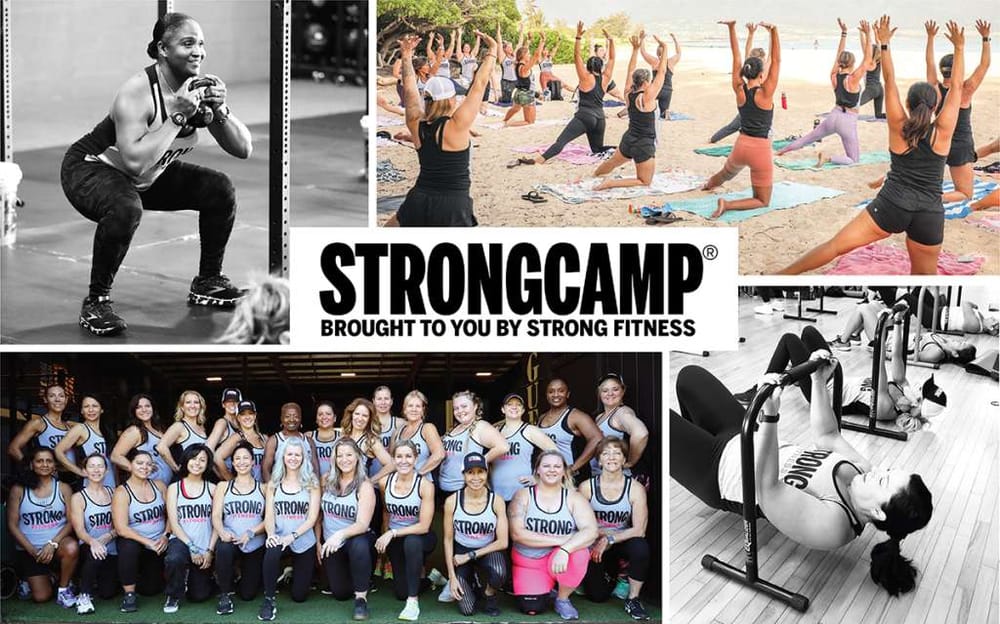
STRONGCAMP is a weekend for women of all fitness levels to come together and celebrate their strengths. Where STRONG Fitness Magazine Comes to Life!

get stronger with strong APP
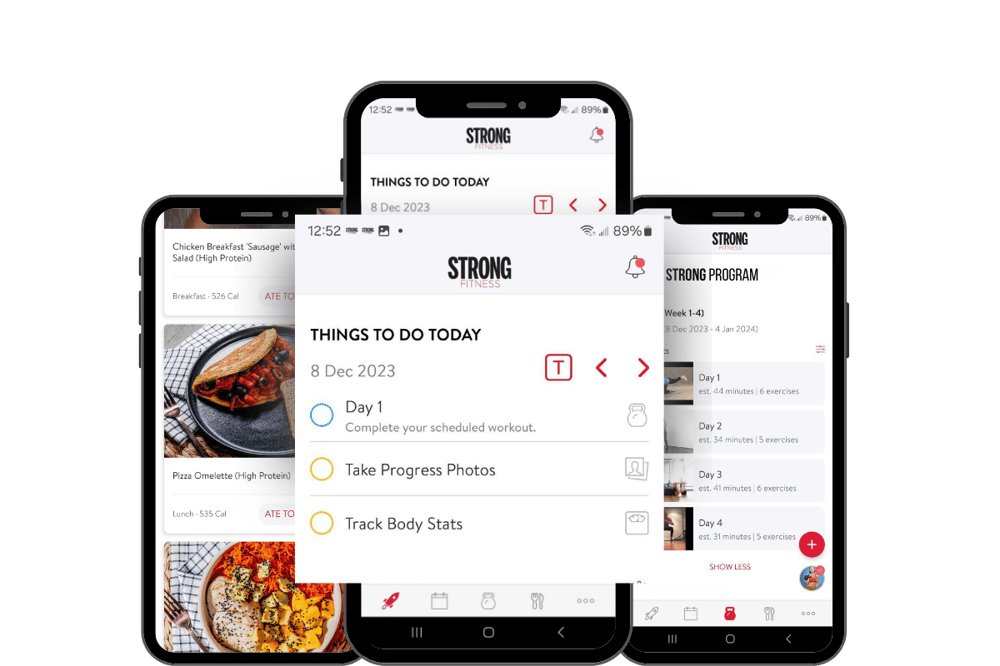
Personalized Fitness at Your Fingertips. Tailored workouts and meal plans, optimized for your lifestyle. Track and progress with every session, powered by the latest in fitness innovation.
AVAILABLE WITH DIGITAL, COMBO, AND PREMIUM SUBSCRIPTIONS
get stronger with strong APP
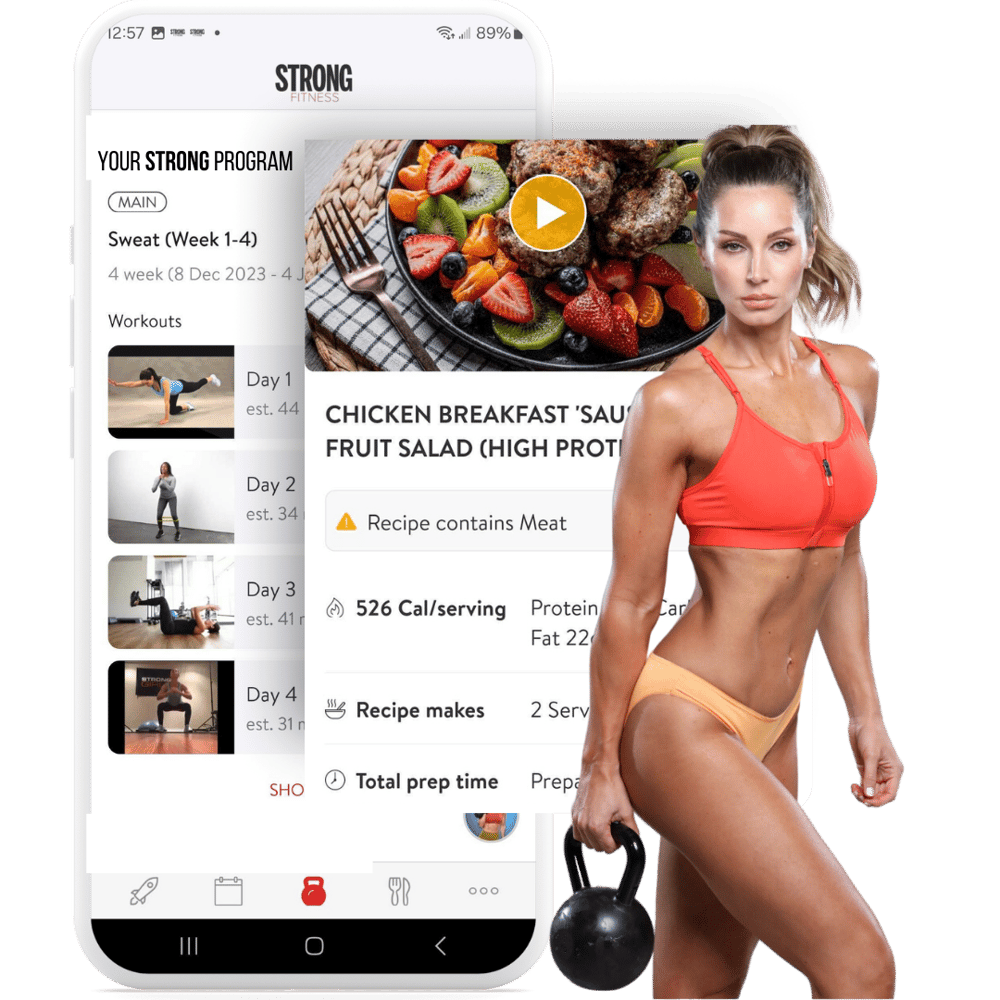
Personalized Fitness at Your Fingertips. Tailored workouts and meal plans, optimized for your lifestyle. Track and progress with every session, powered by the latest in fitness innovation.
AVAILABLE WITH DIGITAL, COMBO, AND PREMIUM SUBSCRIPTIONS

This site is not a part of the Facebook website or Facebook INC. Additionally, this site is NOT endorsed by Facebook in ANY WAY. FACEBOOK is a trademark of Facebook INC.
Privacy Policy | Terms of Use | Contact | 2532 Wharton Glen Ave. Mississauga, ON L4X 2A9, Canada
© Copyright 2024 - Strong Fitness Mag | All Rights Reserved | Site by sheinc.ca
With the participation of the Government of Canada.