How to Choose the Perfect Protein Powder
By: STRONG Fitness


We’ve all been there: walking down the supplement aisle looking for a protein powder, eyes glazing over, wondering which one of the dozens (and dozens) available is the right choice.
We already know combining a protein supplement with our strength training program can do wonders for muscle gains—plenty of scientific research has proved as much, including a large meta-analysis published in the British Journal of Sports Medicine.
But there are so many types of protein on the market these days—from variations of whey to entirely plant-based—it’s hard to know which type is best for our individual bodies and goals. Never fear, help is here! We’ve called upon Shazad Bukhari, CEO of The Winning Combination Inc., makers of Kaizen Naturals supplements, to break down four common types of protein so you can make a more informed decision.
WHEY ISOLATE
Like whey protein concentrates, whey isolate is a complete protein containing essential amino acids required for muscle building and recovery, including the all-important BCAAs (branched-chain amino acids), leucine, isoleucine, and valine. “Whey isolate has 59 percent higher retention of amino acids and nitrogen than egg whites,” says Bukhari. “It is perfect for those looking to maximize results from their workout regimen.”
As the purest form of whey, isolates are perfect to take before, during, or immediately after your workout as they absorb quickly into the bloodstream, helping the muscles repair and grow. Whey isolates are 90 to 95 percent pure protein, meaning they contain almost zero carbs and fat, and less than one percent lactose.
WHEY HYDROLYSATES
Hydrolysates also release a hormone called cholecystokinin that tells the brain that you’re full, making them an effective dietary supplement for those looking to lose or maintain weight. Although a supreme source of pure protein (well over 90 percent), the high cost and bitterness means few athletes opt for solely whey hydrolysates.
Hydrolysates can be formed by exposing either whey isolate or whey protein to heat. By doing so, the supplement is partially broken down, eliminating the bonds linking the amino acids. The benefit of the predigested hydrolysates is how quickly they are absorbed by the body and repair your muscles—hydrolysates are even faster absorbing than isolates.
WHEY PROTEIN CONCENTRATE
These powders are 80 percent protein, and therefore contain more fat and carbs from the milk than whey isolate. This also means whey protein concentrate contains lactose, which can be a problem for those with allergies or intolerances. Whey protein concentrates are usually more cost effective due to the minimal manufacturing requirements. They tend to mix well with milk or water and have a creamier texture than isolates, making them a great starting point for protein supplement newbies.
The most popular type of protein powder, whey protein concentrate, contains helpful nutrients for muscle building and recovery such as tryptophan, which helps increase the production of serotonin (the “feel-good” hormone), amino acids, and glutamine. They are most effective when consumed post-workout or as a snack between meals.
Whey protein is created by removing water and casein from milk. From there, the whey can be processed into one of three forms: concentrate, hydrolysate, and isolate.
PLANT-BASED
Not vegan? Plant-based proteins can still be an excellent meal replacement or post-workout option for those looking for additional nutrients like carbs, fiber, vitamins, and antioxidants that whey protein powders lack.
There are many sources for plant-based protein including hemp, pea, soy, and brown rice; however, unlike proteins from animal byproducts that contain all nine essential amino acids, most vegan proteins tend to be missing one or two of the amino acids. These days, many brands combine several of these sources in order to create a more complete protein. When choosing a vegan protein, Bukhari says it is important to look at the amino acids. “On a gram-for-gram basis, plants do not provide the same quantity of amino acids as animal products,” says Bukhari.

RELATED ARTICLES

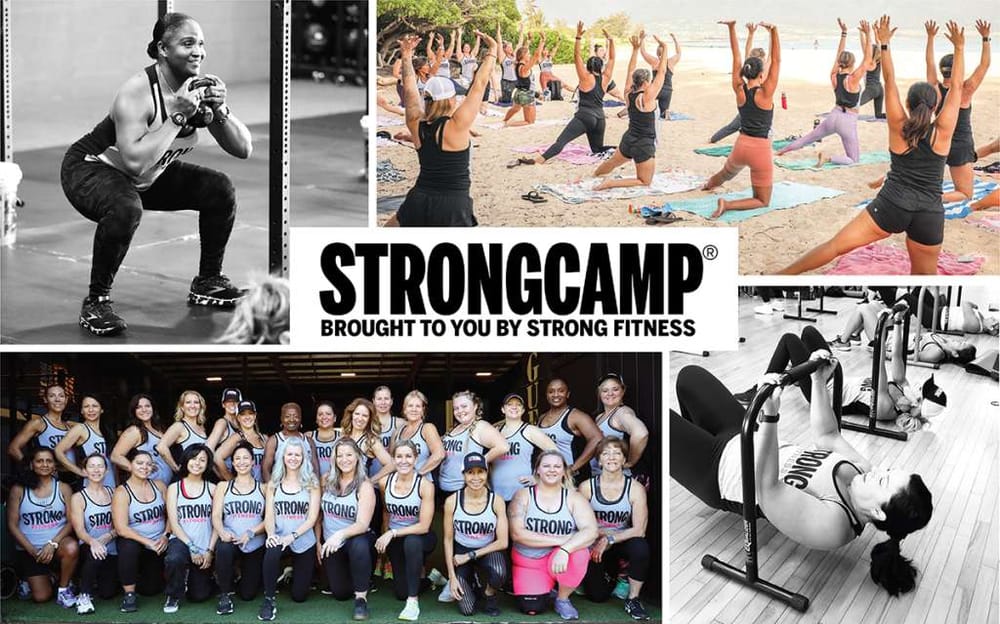
STRONGCAMP IS COMING TO YOUR CITY
STRONGCAMP is a weekend for women of all fitness levels to come together and celebrate their strengths. Where STRONG Fitness Magazine Comes to Life!

get stronger with strong APP
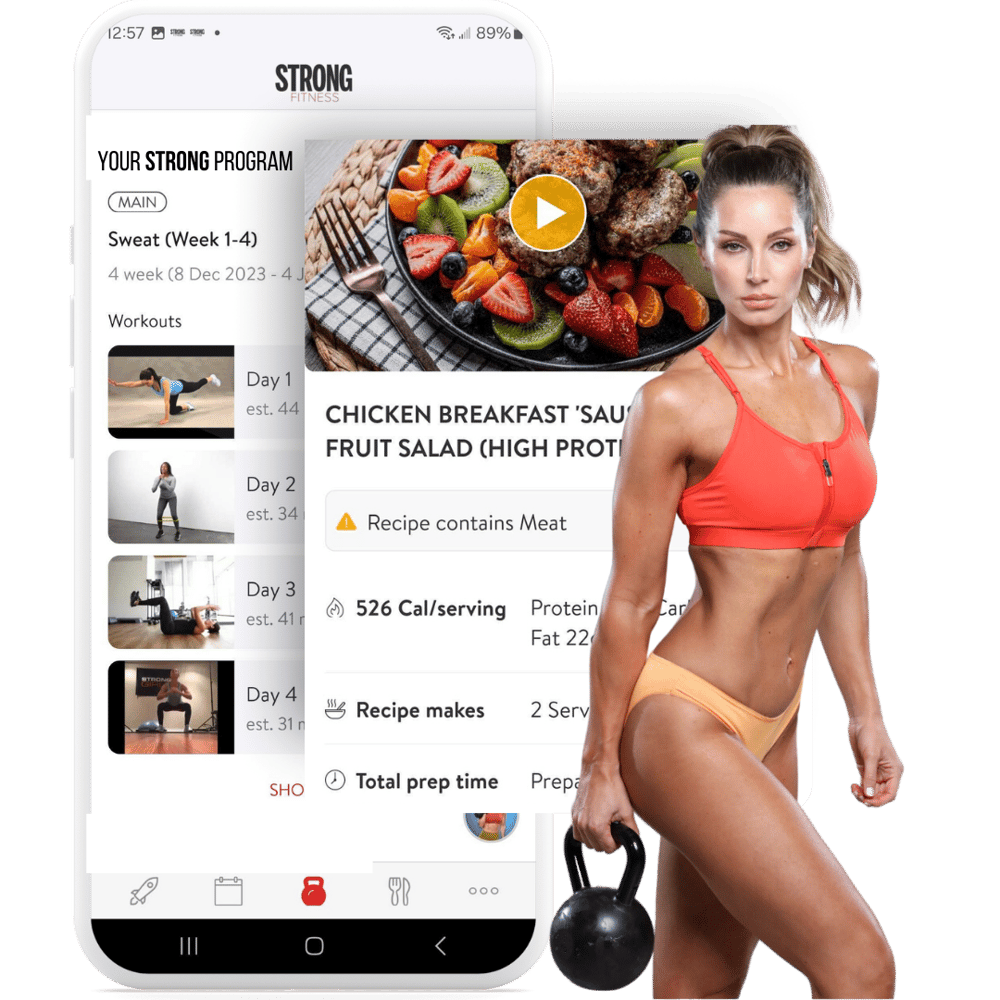
Personalized Fitness at Your Fingertips. Tailored workouts and meal plans, optimized for your lifestyle. Track and progress with every session, powered by the latest in fitness innovation.
AVAILABLE WITH DIGITAL, COMBO, AND PREMIUM SUBSCRIPTIONS
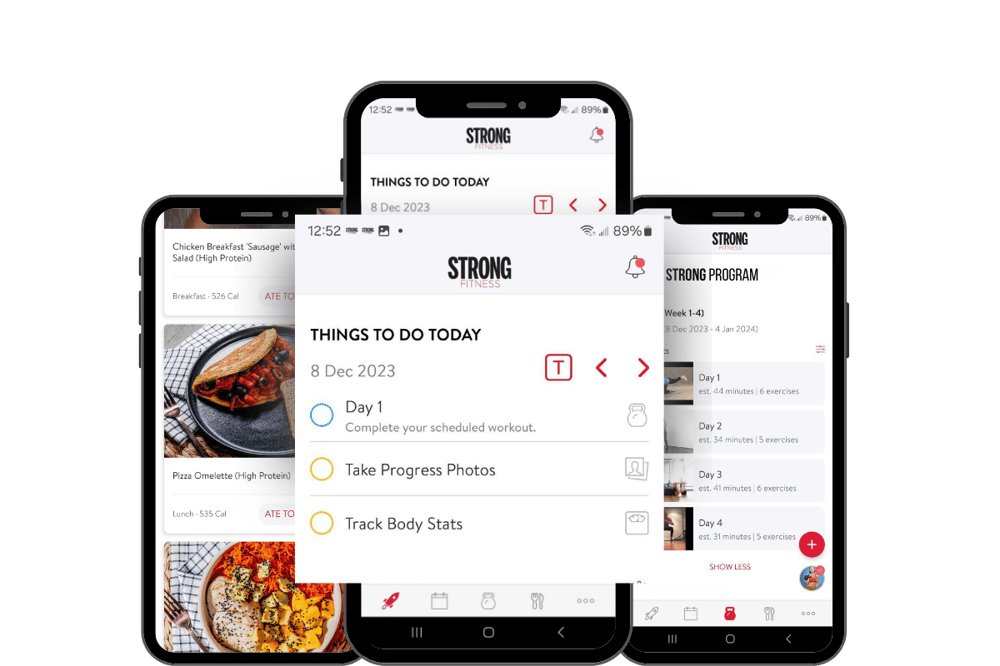
get stronger with strong APP
Personalized Fitness at Your Fingertips. Tailored workouts and meal plans, optimized for your lifestyle. Track and progress with every session, powered by the latest in fitness innovation.
AVAILABLE WITH DIGITAL, COMBO, AND PREMIUM SUBSCRIPTIONS

This site is not a part of the Facebook website or Facebook INC. Additionally, this site is NOT endorsed by Facebook in ANY WAY. FACEBOOK is a trademark of Facebook INC.
Privacy Policy | Terms of Use | Contact | 2532 Wharton Glen Ave. Mississauga, ON L4X 2A9, Canada
© Copyright 2024 - Strong Fitness Mag | All Rights Reserved | Site by sheinc.ca
With the participation of the Government of Canada.