Creatine: What You Need to Know
By: STRONG Fitness


If you’ve ever taken sports supplements to help you reach your goals, whether they be greater gains, a better pump, or a leaner bod, chances are, you’ve taken creatine. Next to whey powder and caffeine, it’s one of the most widely used and trusted supplements in fitness. So trusted, in fact, that many of us pop these pills and powders with only a vague understanding of what they are and more importantly, what they do. We know it’s been shown to improve athletic abilities in terms of strength and stamina, but is there more to it than enhancing performance? Where does it come from? How should you take it? And, are there side any effects? If you’re looking for a clearer picture of creatine, read on.
WHAT IS IT?
Creatine is a molecule produced in the body, made by the liver, kidney, and pancreas, and stored primarily within the skeletal muscle. Its job is to rapidly produce energy to support cellular function, meaning it helps supply the power needed for systems that require a lot of energy—like your brain or muscles—to operate. If you’ve ever sprinted, lifted something heavy, jumped for maximal height, or done any explosive movement, you have creatine to thank.
It was originally discovered through meat extraction in the 1830’s, and a decade later was confirmed to be a normal component of animal flesh. If you’re consuming an omnivorous diet, you’ll get some creatine from foods such as pork, beef, and fish. Humans have a natural “pool” of stored creatine (about 2 grams worth), which comes from a combination of what you consume and what your body produces. As for vegans and vegetarians, their pools are more like puddles; studies have shown there is the potential for significantly reduced creatine stores compared to those eating a diet containing meat.
WHAT ARE THE BENEFITS?
If you’ve ever taken sports supplements to help you reach your goals, whether they be greater gains, a better pump, or a leaner bod, chances are, you’ve taken creatine. Next to whey powder and caffeine, it’s one of the most widely used and trusted supplements in fitness. So trusted, in fact, that many of us pop these pills and powders with only a vague understanding of what they are and more importantly, what they do. We know it’s been shown to improve athletic abilities in terms of strength and stamina, but is there more to it than enhancing performance? Where does it come from? How should you take it? And, are there side any effects? If you’re looking for a clearer picture of creatine, read on.
“Of over 500 studies performed on creatine, 70 percent have shown improvements in performance.”
DOES IT CAUSE BLOATING?
When looking at benefits like improved body composition (lean body mass) and performance in high intensity exercise, creatine supplementation is well supported. Of over 500 studies performed on this supplement to date, over 70 percent have shown significant improvements in performance in both strength and sprint events, with none reporting detrimental effects. For example, a 2011 study in the International Journal of Sports Physiology and Performance examined the effects of creatine supplementation in elite, University level volleyball players and reported significant improvements were found in players’ repeated spike jump and block jump abilities.
Of particular importance for women seeking to lean out are the gains in lean mass seen in some athletes with creatine use. Over 4-12 week training cycles, subjects have been shown to gain twice the amount of lean mass compared to those receiving a placebo. These findings have been consistently reported in studies performed by the International Society of Sports Nutrition.
DOES IT CAUSE BLOATING?
If you’ve ever taken sports supplements to help you reach your goals, whether they be greater gains, a better pump, or a leaner bod, chances are, you’ve taken creatine. Next to whey powder and caffeine, it’s one of the most widely used and trusted supplements in fitness. So trusted, in fact, that many of us pop these pills and powders with only a vague understanding of what they are and more importantly, what they do. We know it’s been shown to improve athletic abilities in terms of strength and stamina, but is there more to it than enhancing performance? Where does it come from? How should you take it? And, are there side any effects? If you’re looking for a clearer picture of creatine, read on.
IS IT BAD FOR YOUR KIDNEYS?
Media allegations that creatine can impair kidney and liver function have surfaced over the years, but research on healthy individuals has completely debunked the myths, including a 2013 study in the Journal of the International Society of Sports Nutrition that found supplementing with creatine for 12 weeks had no adverse effects on kidneys of weightlifters following a high-protein diet. That being said, you should always check with your doc before starting a supplement program, and adhere to the recommended dosage of 3-5 g per day (never exceeding a daily dose 20 g). If you have existing kidney disease, you must be under the care of your physician before supplementing with creatine, or should avoid taking it altogether.
HOW TO DOSE
If you are looking to get results in a short time frame, such as if you are prepping for a competitive event, follow a loading protocol of 5 g, four times a day for one week only. After one week of loading, decrease dosage to 3-5 g per day for maintenance.
For those not on a timeline, or, who don’t want to risk gaining water weight, a daily maintenance dosage of 3-5 g per day will offer similar performance advantages over time as those seen with loading protocols.

RELATED ARTICLES









STRONGCAMP IS COMING TO YOUR CITY
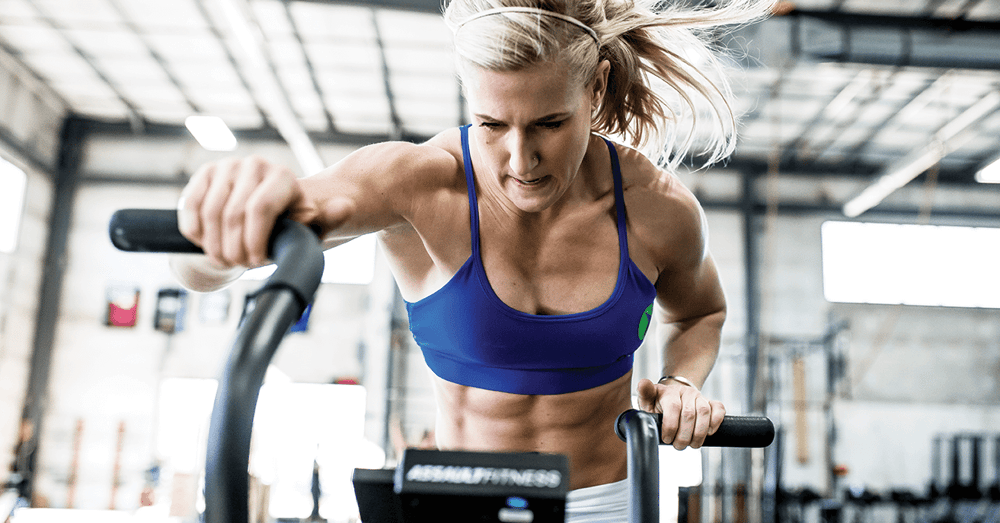
STRONGCAMP is a weekend for women of all fitness levels to come together and celebrate their strengths. Where STRONG Fitness Magazine Comes to Life!

get stronger with strong APP
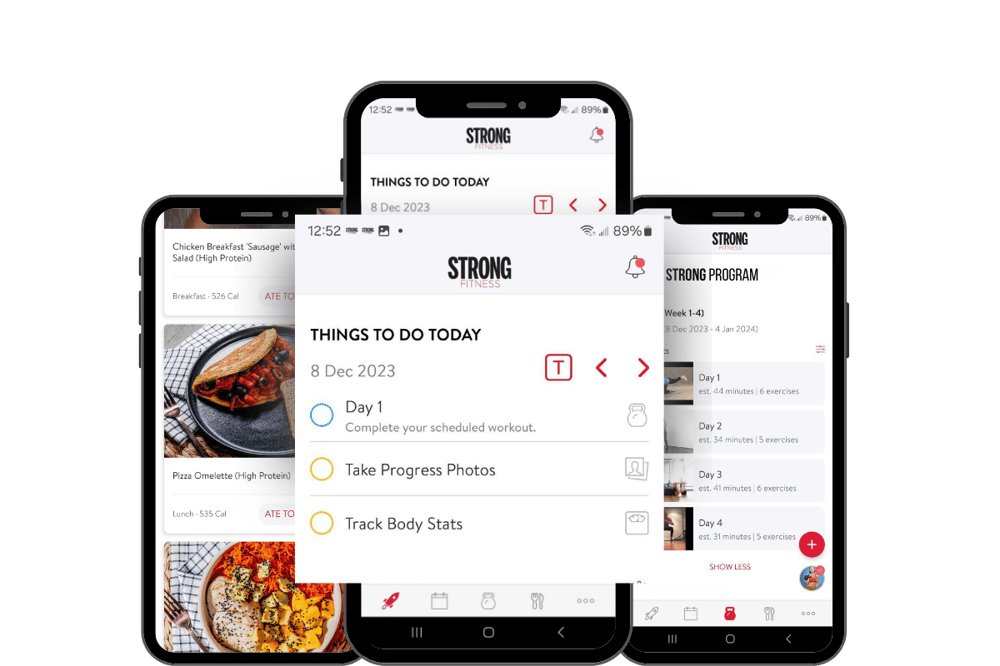
Personalized Fitness at Your Fingertips. Tailored workouts and meal plans, optimized for your lifestyle. Track and progress with every session, powered by the latest in fitness innovation.
AVAILABLE WITH DIGITAL, COMBO, AND PREMIUM SUBSCRIPTIONS
get stronger with strong APP

Personalized Fitness at Your Fingertips. Tailored workouts and meal plans, optimized for your lifestyle. Track and progress with every session, powered by the latest in fitness innovation.
AVAILABLE WITH DIGITAL, COMBO, AND PREMIUM SUBSCRIPTIONS

This site is not a part of the Facebook website or Facebook INC. Additionally, this site is NOT endorsed by Facebook in ANY WAY. FACEBOOK is a trademark of Facebook INC.
Privacy Policy | Terms of Use | Contact | 2532 Wharton Glen Ave. Mississauga, ON L4X 2A9, Canada
© Copyright 2024 - Strong Fitness Mag | All Rights Reserved | Site by sheinc.ca
With the participation of the Government of Canada.